

If you live in Minnesota, you know that winter is not just a season — it is a test of endurance. The days shrink to barely eight hours of weak sunlight. Temperatures plunge well below zero. Snow and ice reshape your daily routines for months. And somewhere in the midst of it all, many people notice something shifting inside: a heaviness that settles in alongside the cold, a fog that makes mornings harder, a withdrawal from the activities and people that normally bring joy.
You are not imagining this. And you are far from alone. Seasonal Affective Disorder (SAD) — a clinically recognized form of depression directly linked to seasonal changes in light exposure — affects an estimated 10 million Americans each year, with significantly higher prevalence in northern latitudes (American Psychiatric Association, 2022). In states like Minnesota, where sunlight becomes scarce for months at a time, the impact is especially pronounced.
As a psychiatric nurse practitioner who practices in Minnesota, I see the effects of seasonal depression in my clients every year. I also know from personal experience how the long, dark winters of the upper Midwest can weigh on your mood and energy. In this guide, I walk you through the science behind seasonal depression, how to recognize it, the most effective evidence-based treatments — including light therapy, movement, nutrition, and professional care — and practical strategies for protecting your mental health through the hardest months, including the late-winter stretch when spring still feels just out of reach.
What Is Seasonal Affective Disorder?
Seasonal Affective Disorder is more than a case of the “winter blues.” While many people feel a mild dip in mood when the days get shorter, SAD involves persistent, clinically significant symptoms that follow a predictable seasonal pattern. The Diagnostic and Statistical Manual of Mental Disorders (DSM-5-TR) classifies SAD as Major Depressive Disorder with a seasonal pattern specifier, meaning it meets the full diagnostic criteria for depression but recurs at the same time each year — most commonly in fall and winter — and remits when the season changes (APA, 2022).
People with SAD often describe feeling like they lose themselves each winter — becoming a version of themselves who is exhausted, withdrawn, numb, or simply not fully present. Others notice a sadness that lingers, irritability they cannot explain, or a heavy mental fog that makes even simple tasks feel like hurdles.
Common Symptoms of Seasonal Depression
- Persistent low mood, sadness, or feelings of emptiness that begin in fall and deepen through winter
- Loss of interest or pleasure in activities that normally bring joy
- Significant fatigue and low energy, even with increased sleep
- Oversleeping (hypersomnia) while still feeling unrefreshed
- Increased appetite, particularly cravings for carbohydrates and comfort foods
- Weight gain
- Difficulty concentrating, thinking clearly, or making decisions
- Social withdrawal — pulling away from friends, family, and activities
- Feelings of hopelessness, worthlessness, or guilt
- In severe cases, thoughts of self-harm or suicide
If these symptoms repeat year after year and significantly interfere with your daily life, relationships, or ability to function, they may reflect Seasonal Affective Disorder rather than ordinary seasonal mood fluctuation.
The Science Behind Seasonal Depression
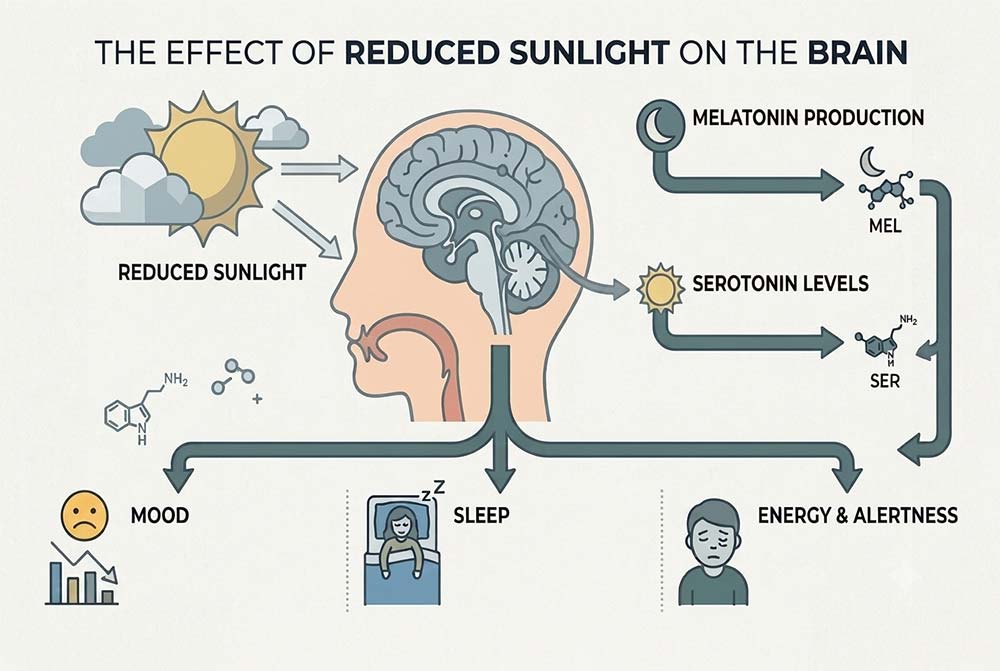
At the core of SAD is the powerful influence of light on brain chemistry. Sunlight does far more than illuminate your day — it regulates two critical neurochemical systems that govern mood, sleep, and energy.
Serotonin is a neurotransmitter that plays a central role in mood regulation, emotional stability, and feelings of wellbeing. Sunlight exposure stimulates serotonin production. When daylight becomes scarce during winter, serotonin levels can drop, contributing to the low mood, irritability, and emotional flatness characteristic of seasonal depression. A study published in The Lancet Psychiatry found that serotonin turnover in the brain is directly correlated with the duration of bright sunlight exposure, with the lowest levels occurring during winter months (Lambert et al., 2002).
Melatonin is a hormone that regulates sleep-wake cycles. The body produces melatonin in response to darkness, signaling that it is time to sleep. During winter, when darkness arrives early and lingers late, melatonin production increases, which can leave you feeling perpetually drowsy, sluggish, and resistant to waking. This overproduction of melatonin disrupts your circadian rhythm — the internal clock that tells your body when to be alert and when to rest.
Together, these neurochemical shifts create a perfect storm: your brain is simultaneously low on the chemicals that support alertness and positive mood, and flooded with the chemicals that promote sleep and withdrawal. This is not a personal failing — it is a biological response to an environment your brain was not designed to thrive in without intervention.
There is also a genetic component. Research suggests that individuals with SAD often have heightened sensitivity to changes in daylight, and the condition frequently runs in families (Levitan, 2007). If you have a parent or sibling who struggles with winter depression, your own brain may be more responsive to seasonal light changes. Recognizing this predisposition can empower you to take preventative steps before symptoms become overwhelming.
Light Therapy: One of the Most Effective Tools for Seasonal Depression
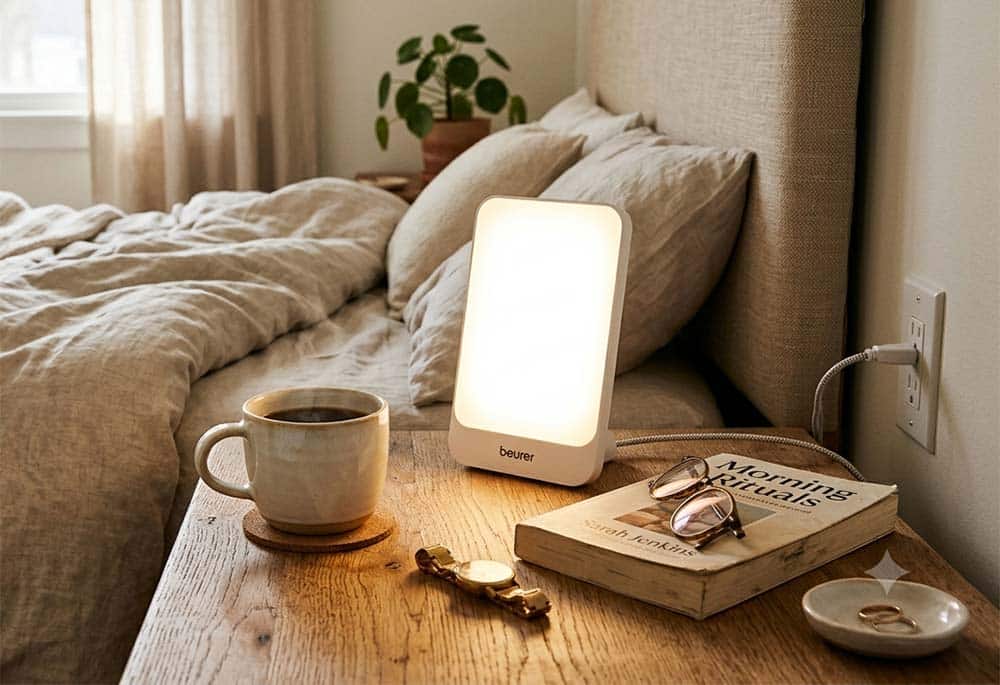
Light therapy is one of the most well-studied and effective treatments for SAD, and it is something I recommend in my practice. The concept is straightforward: by exposing your eyes to bright, artificial light that mimics natural sunlight, you help reset the neurochemical systems that winter darkness disrupts.
How It Works
A high-quality light therapy lamp emits 10,000 lux of broad-spectrum, UV-filtered light — roughly equivalent to outdoor daylight on a clear morning. When used consistently, this light stimulates serotonin production and helps suppress excess melatonin, reestablishing the circadian rhythms that winter throws off balance. A meta-analysis published in the American Journal of Psychiatry found that bright light therapy produced significant improvements in depressive symptoms for individuals with SAD, with effect sizes comparable to antidepressant medication (Golden et al., 2005).
How to Use It Effectively
- Timing: Use your light therapy lamp within the first hour of waking, when your brain is most responsive to light cues. For many Minnesotans, this means turning on the lamp while having coffee before heading out into the still-dark morning.
- Duration: Clinical guidelines recommend 20–30 minutes of exposure per session at 10,000 lux.
- Positioning: Place the lamp slightly off to the side at a comfortable distance (usually 16–24 inches; follow device-specific instructions). You do not need to stare directly at it — the light should enter your peripheral vision while you read, eat, or check email.
- Consistency: Daily use is key. Use the light at the same time each day for best results. Most people notice improvements in energy and mood within one to two weeks of consistent use.
- Additional Tips: Do not use the device late in the evening, as it may interfere with sleep. Stop use and report symptoms such as eye strain, headache, agitation, or insomnia. Maintain a regular sleep schedule. Increase natural daylight exposure when possible.
Choosing the Right Lamp
Not all lamps marketed as “sun lamps” or “mood lights” are designed for therapeutic use. A true light therapy lamp should emit 10,000 lux, be UV-free to protect your eyes, and provide broad, even light distribution. Lamps that do not reach therapeutic intensity will not produce the neurochemical shift needed to relieve symptoms. When selecting a lamp, look for one specifically designated for SAD treatment and backed by clinical recommendations.
Safety Considerations
Light therapy is safe for most people, but certain individuals should consult their healthcare provider before starting. People with bipolar disorder are at risk for light therapy triggering a manic episode — a serious concern that requires professional guidance. Individuals with certain eye conditions (such as retinal disease or macular degeneration) or those taking photosensitizing medications should also seek medical clearance first. When used appropriately and under guidance, light therapy can be a powerful, empowering tool that puts a measure of control back into your hands during a season that often feels uncontrollable.
Lifestyle Strategies That Support Your Brain Through Winter
Light therapy is highly effective, but it works best as part of a broader approach. The daily habits you maintain through winter — how you move, eat, sleep, and connect — directly influence your brain’s ability to regulate mood and energy. Here are the strategies I discuss most frequently with my clients.
Movement: Your Brain’s Natural Antidepressant
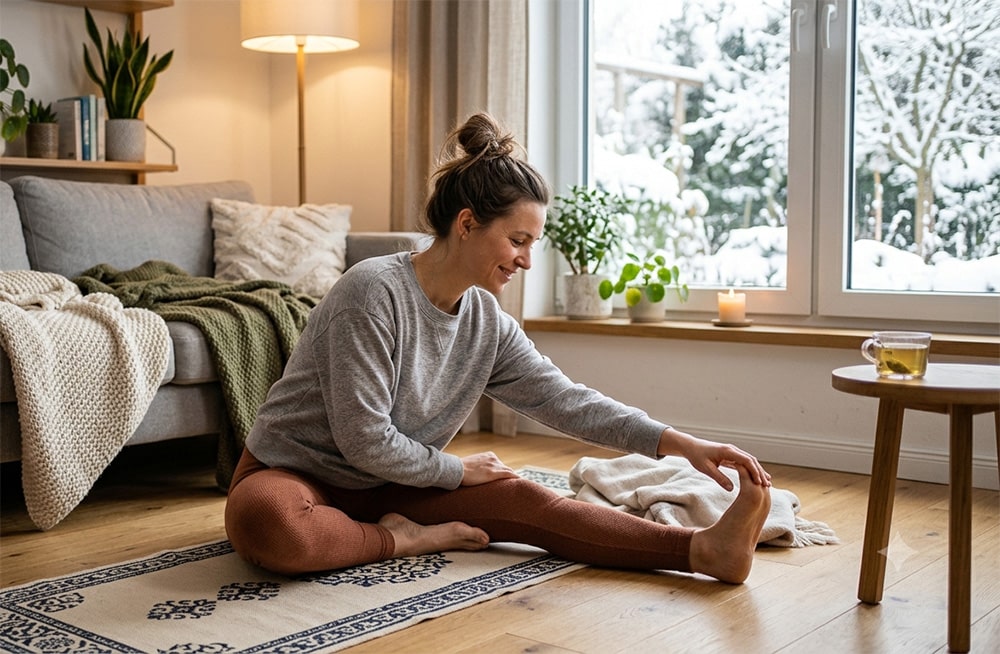
Physical activity is one of the most consistently supported interventions for depression, including seasonal depression. When you move, your body releases endorphins and endocannabinoids (natural mood-elevating chemicals), reduces inflammation, and promotes neuroplasticity — the brain’s ability to adapt and form new connections. A major meta-analysis in the British Journal of Sports Medicine found that exercise can be as effective as psychotherapy and medication for reducing depressive symptoms (Singh et al., 2023).
I understand that when you are deep in seasonal depression, the idea of exercising can feel impossible. The cold, the darkness, the fatigue — everything conspires against movement. That is the cruel paradox of depression: the things that would help most are the things that feel hardest to do. My advice is to start absurdly small. Five minutes of stretching in the morning. A short walk around your living room. Dancing to one song while making dinner. The goal is not a workout — the goal is any movement at all, done with self-compassion rather than self-criticism.
You do not need a gym membership. Indoor tracks, community centers, YouTube yoga videos, or even pacing while on a phone call all count. What matters is consistency and gentleness. When movement becomes something you do for your mind rather than against your body, winter becomes a little more navigable.
Nutrition: Fuel for a Struggling Brain
Winter cravings for carbohydrates and comfort foods are biologically driven — your brain is seeking quick energy and serotonin boosts. While these foods provide momentary relief, they can lead to blood sugar crashes that worsen mood instability. The field of nutritional psychiatry offers a more sustainable approach. The SMILES trial, a randomized controlled study published in BMC Medicine, demonstrated that participants who adopted a modified Mediterranean diet experienced significantly greater improvement in depressive symptoms compared to a control group over 12 weeks (Jacka et al., 2017).
Prioritize warm, nutrient-dense meals: soups and stews rich in vegetables and lean protein, whole grains, fatty fish high in omega-3s, nuts, and seeds. These foods support brain health, stabilize energy, and reduce the inflammation that contributes to depressive symptoms. Something as simple as a protein-rich breakfast can shift how you feel for the rest of the morning.
Sleep: Restoring the Rhythm
Sleep disturbance is both a symptom and a driver of seasonal depression. You may find yourself sleeping far more than usual but waking exhausted — a hallmark of SAD-related hypersomnia. This happens because excess melatonin disrupts sleep architecture, reducing the restorative deep sleep your brain needs.
Research published in The Lancet Psychiatry found that structured sleep interventions led to significant reductions in depression and anxiety symptoms (Freeman et al., 2017). Aim for 7–9 hours per night, maintain a consistent sleep-wake schedule (even on weekends), limit screen time for at least 30 minutes before bed, and use your light therapy lamp in the morning to help your circadian clock recalibrate. If sleep difficulties persist despite these strategies, bring this up with your provider — it may be a critical piece of your treatment puzzle.
Social Connection: Fighting Isolation
Depression grows in isolation, and winter makes withdrawal feel natural. The cold discourages outings. The darkness makes evenings feel like an ending. Social plans feel harder to keep. But connection is one of the most protective factors against depression — and even small interactions can interrupt the isolation cycle.
Schedule intentional touchpoints: a weekly phone call with a friend, a coffee outing, a virtual check-in with family. If in-person connection feels overwhelming, a brief text exchange still counts. The goal is to prevent the complete social withdrawal that deepens seasonal depression. I want to acknowledge that communal connection holds particular significance in many cultures — and at InnerClarity, I integrate these cultural concepts into care because healing is rarely a solo journey.
Navigating Late Winter: When Spring Still Feels Out of Reach
Late winter — the stretch through February and into March — is often the hardest period of all. The novelty of winter has worn off, the holidays are behind you, and spring still feels just out of reach. Many of my clients describe a cumulative fatigue during this time: months of adapting to darkness, cold, and disrupted routines finally catching up. This late-winter heaviness is real, and it deserves attention rather than dismissal.
Refresh Your Environment
Small changes to your surroundings can create a surprising shift in your emotional state. Add warm lighting to counteract the gray. Light a new candle. Arrange fresh linens. Place a small houseplant where you will see it daily. These are not trivial suggestions — environmental cues matter to a brain that has been starved of novelty and warmth for months.
Engage Your Senses
Sensory grounding is a powerful nervous system regulation tool. Warmth, soothing scents, soft textures, and calming sounds send signals of safety to your brain, helping reduce stress and stabilize mood. Wrapping yourself in a heated blanket, diffusing essential oils, taking a warm bath, or listening to gentle music are all surprisingly effective at shifting your emotional state when the season feels interminable.
Create Anticipation
Planning something to look forward to — a spring outing, a new hobby, a self-care ritual, even a favorite weekly meal — provides hope and counters the stagnation that characterizes late winter. Breaking the week into small, enjoyable moments gives your brain consistent psychological nourishment during otherwise gray weeks.
Know When to Seek Additional Support
Late winter is also a time to be honest with yourself about how you are doing. If you notice persistent sadness, increasing irritability, growing anxiety, or worsening fatigue, this is a signal to reach out for professional support rather than waiting for spring to arrive. Early intervention — through therapy, medication, integrative psychiatric care, or a combination — can prevent symptoms from worsening and restore a sense of control and wellbeing before the season ends.
Frequently Asked Questions About Seasonal Depression
How do I know if I have SAD or just the “winter blues”?
The key distinction is severity, duration, and functional impact. Feeling a mild dip in mood during winter is common and normal. SAD, by contrast, involves persistent symptoms — lasting most of the day, nearly every day, for at least two consecutive weeks — that significantly interfere with your ability to work, maintain relationships, or engage in daily life. If your winter mood changes follow a predictable annual pattern and meet these criteria, a clinical evaluation is warranted.
When should I start light therapy?
Ideally, begin light therapy in early fall, before symptoms fully develop, and continue through spring. Starting early can help prevent the full onset of seasonal depression rather than waiting to treat it after it has taken hold. Your provider can help you determine the right timing based on your personal symptom history.
Can seasonal depression be treated with medication?
Yes. For individuals with moderate to severe SAD, antidepressant medication — particularly SSRIs — can be an effective component of treatment. The American Psychiatric Association recognizes both light therapy and pharmacotherapy as evidence-based treatments for SAD (APA, 2022). In my practice, I take an individualized approach, starting at the lowest effective dose and adjusting collaboratively based on your response.
Does SAD only happen in winter?
The vast majority of SAD cases follow a fall-winter pattern, but a small percentage of people experience a spring-summer variant with different symptoms (including insomnia, decreased appetite, and agitation rather than the hypersomnia and carb cravings typical of winter SAD). If you notice a predictable seasonal mood pattern at any time of year, it is worth discussing with a provider.
Is seasonal depression more common in Minnesota?
Yes. Research consistently shows that SAD prevalence increases with latitude. A study published in the Archives of General Psychiatry found that SAD rates are significantly higher in northern U.S. states compared to southern states (Rosen et al., 1990). Minnesota’s long winters and limited daylight hours make it a particularly high-risk environment for seasonal depression.
You Do Not Have to Endure Winter Alone
Seasonal depression is a real medical condition — not a character flaw, not laziness, and not something you should simply “push through.” It has identifiable biological causes, predictable patterns, and effective treatments. With the right combination of light therapy, lifestyle strategies, social connection, and professional care, you can feel like yourself even in the darkest months.
At InnerClarity Psychiatry & Wellness, I provide personalized, holistic telepsychiatric care to individuals across Minnesota and Iowa who are navigating seasonal depression, along with year-round conditions like generalized depression, anxiety, and burnout. Whether you need help with light therapy guidance, medication management, psychotherapy, or a comprehensive treatment plan tailored to your unique needs, I am here.
Do not wait for spring to feel better. Request a consultation at InnerClarity Psychiatry & Wellness and let’s build a plan to carry you through winter with clarity, balance, and resilience.
References
American Psychiatric Association. (2022). Diagnostic and Statistical Manual of Mental Disorders (5th ed., text rev.).
Freeman, D., Sheaves, B., Goodwin, G. M., et al. (2017). The Effects of Improving Sleep on Mental Health. The Lancet Psychiatry, 4(10), 749–758.
Golden, R. N., Gaynes, B. N., Ekstrom, R. D., et al. (2005). The Efficacy of Light Therapy in the Treatment of Mood Disorders: A Review and Meta-Analysis of the Evidence. American Journal of Psychiatry, 162(4), 656–662.
Jacka, F. N., O’Neil, A., Opie, R., et al. (2017). A Randomised Controlled Trial of Dietary Improvement for Adults with Major Depression (the SMILES trial). BMC Medicine, 15(1), 23.
Lambert, G. W., Reid, C., Kaye, D. M., et al. (2002). Effect of Sunlight and Season on Serotonin Turnover in the Brain. The Lancet, 360(9348), 1840–1842.
Levitan, R. D. (2007). The Chronobiology and Neurobiology of Winter Seasonal Affective Disorder. Dialogues in Clinical Neuroscience, 9(3), 315–324.
Rosen, L. N., Targum, S. D., Terman, M., et al. (1990). Prevalence of Seasonal Affective Disorder at Four Latitudes. Psychiatry Research, 31(2), 131–144.
Singh, B., Olds, T., Curtis, R., et al. (2023). Effectiveness of Physical Activity Interventions for Improving Depression, Anxiety and Distress. British Journal of Sports Medicine, 57(18), 1203–1209.
Disclaimer
This blog post is for educational and informational purposes only and is not intended as a substitute for professional medical advice, diagnosis, or treatment. Always consult a qualified healthcare provider with any questions you may have regarding a mental health condition. Do not disregard professional advice or delay seeking treatment based on information presented in this blog.
If you or someone you know is in crisis or experiencing thoughts of self-harm or suicide, please contact the 988 Suicide & Crisis Lifeline by calling or texting 988 (available 24/7). For immediate safety emergencies, call 911 or go to your nearest emergency room.
ABOUT THE AUTHOR

Aicha Katty, DNP, APRN, PMHNP-BC, FNP-C, is the founder of InnerClarity Psychiatry & Wellness, a telepsychiatry practice serving individuals across Minnesota and Iowa. She holds a Doctor of Nursing Practice from Winona State University and dual board certifications in psychiatric mental health and family practice.
Practicing in Minnesota, Aicha understands the unique mental health challenges that come with long, dark winters in the upper Midwest. She specializes in treating seasonal depression, year-round depressive disorders, and anxiety using a holistic approach that integrates evidence-based medication management, psychotherapy, lifestyle optimization, and culturally informed care. Having personally experienced the toll that Minnesota winters can take on mood and energy, Aicha brings both clinical expertise and genuine understanding to clients navigating seasonal mental health challenges.
If seasonal depression has been affecting your quality of life, request a consultation at InnerClarity Psychiatry & Wellness today.